EDD WOOD: THE SOUND BEHIND DULDU
Between Trip-Hop, Blues and Creative Freedom - A Producer’s Journey Through Vienna’s Alternative Music Scene
NTERVIEW | EMMA GENTILI | VIENNA
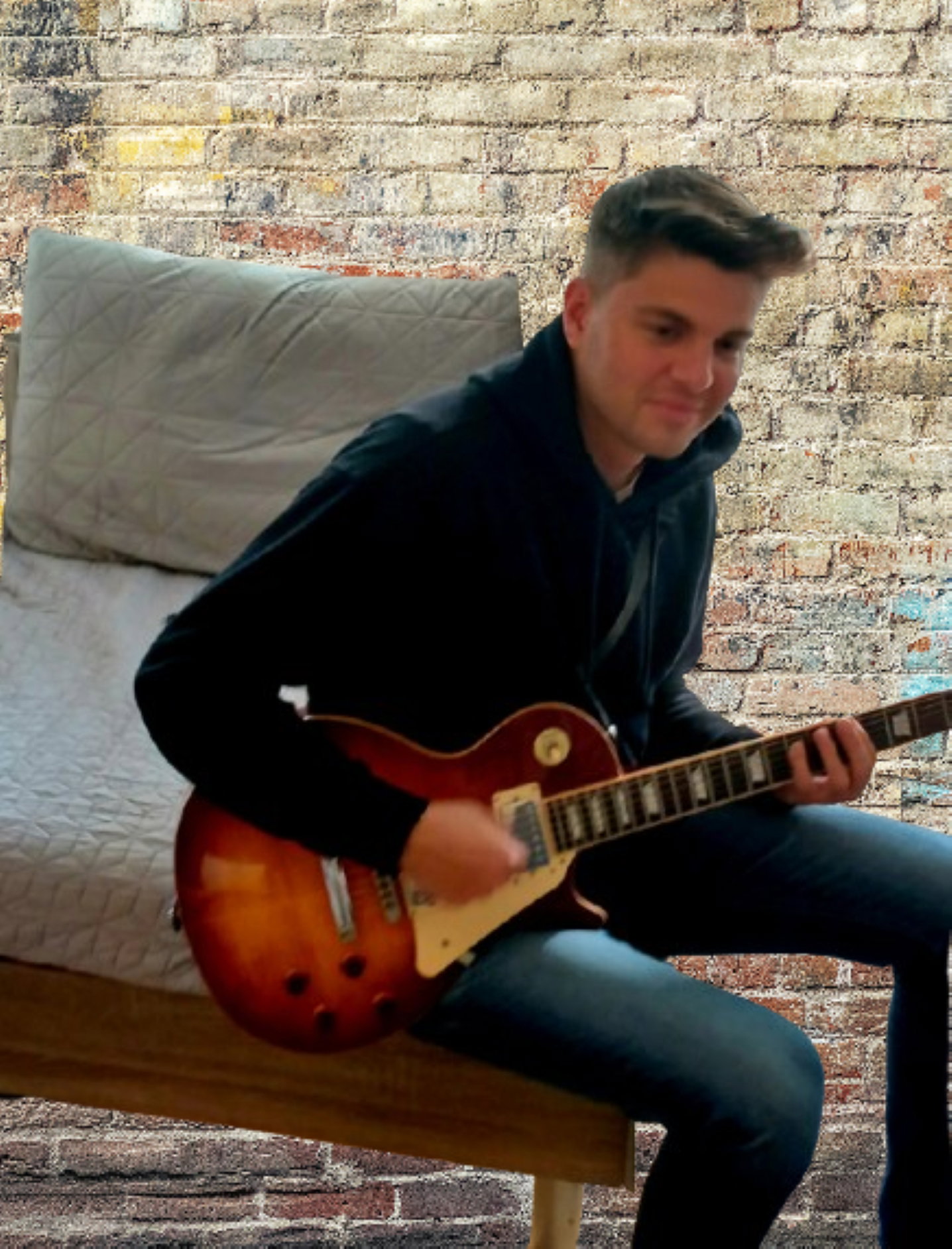
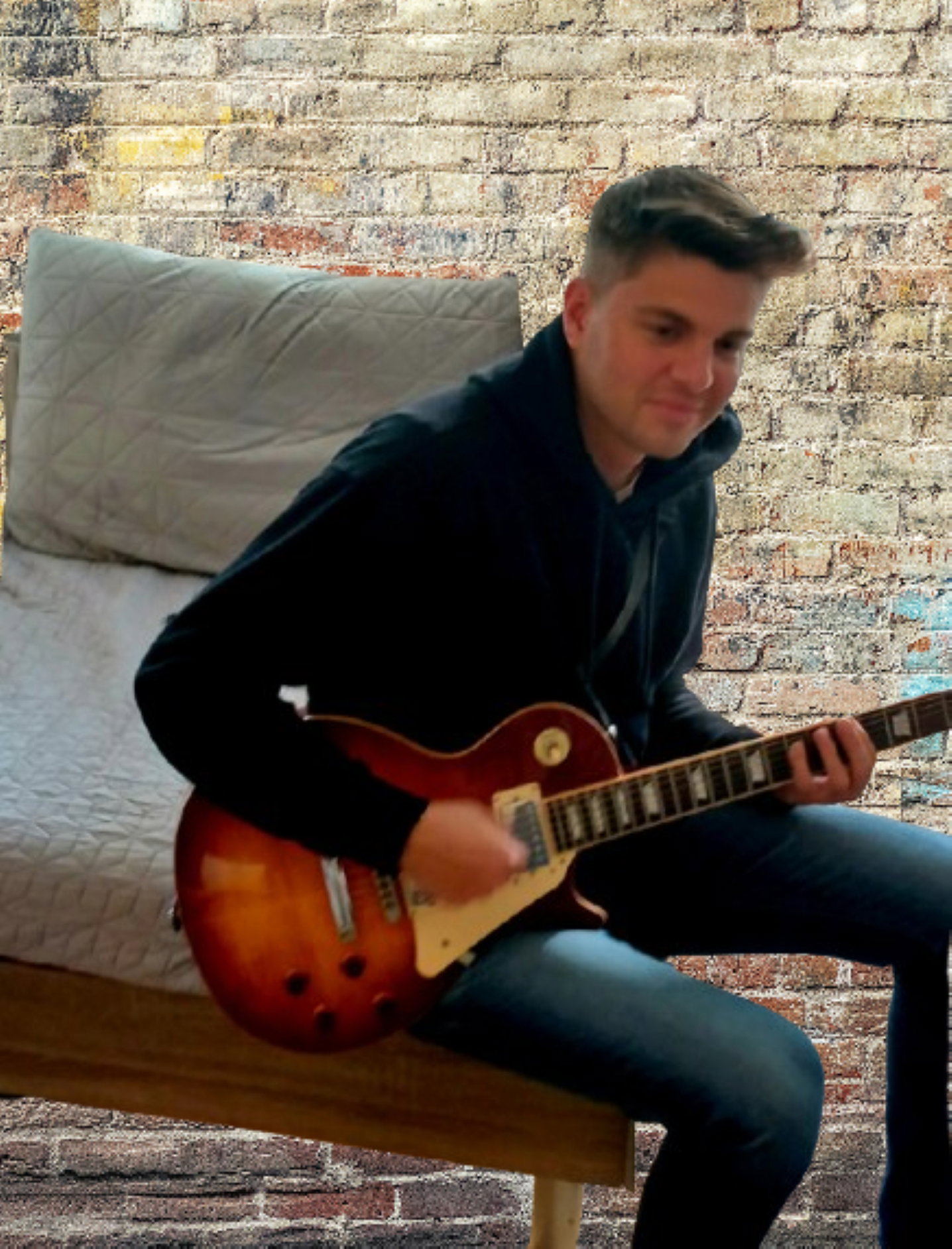
2/11/2026 In a music world increasingly shaped by trends, algorithms and carefully defined genres, some artists continue to follow a different path — one driven by experimentation, atmosphere and the freedom to create without boundaries.Edd Wood, a Vienna-based musician and producer, belongs to that creative environment. Active within Vienna’s alternative music scene, he has developed a musical language that moves between electronic textures, blues influences, atmospheric arrangements and experimental sound.His collaboration with the independent music and multidisciplinary art project Colorful Door began approximately five years ago, working alongside its founder, songwriter and artist Ramo Kurtovic. What started as a creative partnership gradually developed into a long-term musical relationship, with Edd Wood taking an important role in production, composition and the development of the project’s sound.One of the most interesting results of this collaboration was the emergence of DULDU — a project with a distinctive identity rooted primarily in trip-hop, enriched by strong blues influences and a cinematic approach to instrumental music.DULDU has since released the instrumental album Smoke Screen (2025), several singles, the EP Underground (2026), and a vinyl edition titled Best Of Collection. These releases document the gradual evolution of a project that moves comfortably between electronic experimentation and organic musical expression.We spoke with Edd Wood about his musical journey, Vienna’s alternative scene, his creative partnership with Colorful Door, the development of DULDU and the importance of artistic independence.
THE INTERVIEW
1. You are a musician and producer based in Vienna, a city with a diverse and vibrant alternative music scene. How did your musical journey begin, and what experiences have shaped your identity as a musician and producer?
Music has always been a way for me to explore ideas and emotions that are sometimes difficult to express through words. My journey developed through listening, experimenting, playing and gradually discovering the possibilities of sound.Over time, I became increasingly interested not only in performing music but also in understanding how different elements come together to create a particular atmosphere.Production became a natural extension of my musical interests. I enjoy working with sounds, textures and arrangements, and I believe that every musical idea deserves its own space and identity.I have never felt particularly restricted by genres. For me, the most important thing is whether the music communicates something genuine.
2. Vienna has a long tradition of musical experimentation, from classical music to underground and alternative sounds. How would you describe the current alternative music scene in Vienna, and where do you see yourself within it?
Vienna is a very interesting city for musicians because it brings together different cultures, musical traditions and artistic approaches. There is a strong underground and independent scene, although it is not always easy for artists to find the audience and recognition they deserve.I appreciate the freedom that this environment offers. You can experiment, collaborate with people from different backgrounds and develop projects that do not necessarily fit into conventional musical categories.I see myself as part of that independent environment. I am more interested in creative freedom and artistic development than in following trends or trying to fit into a particular market.
3. Your collaboration with Colorful Door and its founder, Ramo Kurtovic, began approximately five years ago. How did this collaboration come about, and what initially attracted you to the project?
The collaboration with Colorful Door started through a shared interest in music and creative experimentation. What attracted me was the openness of the project and Ramo’s approach to songwriting.There was a certain poetic dimension to the music, an interest in atmosphere and emotion, and a willingness to explore different musical directions. I found that particularly interesting because it offered room for creative development.Over the years, the collaboration has evolved considerably. We have developed a working relationship based on exchanging ideas, experimenting and finding the right sound for each composition. I think that continuity has been one of the most important elements of our cooperation.
Underground EP
4. Over the years, your role has gone beyond production, extending into composition and the development of the project’s musical identity. How would you describe the creative relationship between you and Ramo, and how do you usually approach the process of turning an initial idea into a finished song?
I think the most important thing in any creative collaboration is mutual understanding and respect for each other’s ideas. Ramo usually brings the initial creative vision, whether through lyrics, melodies, musical sketches or a particular atmosphere he wants to explore.My role is to help translate that vision into a musical arrangement and production. Sometimes this means developing the composition, sometimes experimenting with instrumentation, rhythms or sound design, and sometimes simply finding the right balance between all the elements.It is not a mechanical process. Every song develops differently. We exchange ideas, make adjustments and sometimes take unexpected directions. That is what makes the collaboration interesting.
5. Out of this collaboration, DULDU emerged as a separate musical project. How did the idea of forming DULDU develop, and what makes this project different from your other musical work?
DULDU developed quite naturally from our collaboration. During our work together, we began exploring a musical direction that was different from the broader artistic world of Colorful Door.We wanted to create something with a more specific sonic identity, something darker, more atmospheric and more focused on instrumental expression.DULDU gave us the opportunity to explore that territory without limitations. It became a space for experimenting with trip-hop, blues influences, electronic textures and cinematic atmospheres.Although the project grew out of our cooperation, I see DULDU as having its own character and creative direction.
6. DULDU moves primarily within trip-hop, with strong blues influences and elements of experimental and atmospheric music. What attracts you to this combination of sounds, and how do you approach creating a distinctive sonic identity for the project?
I have always been attracted to music that creates an atmosphere rather than simply following a conventional song structure. Trip-hop offers that possibility through its rhythms, textures and often hypnotic arrangements.Blues brings another dimension. It has a raw emotional quality that I find very powerful. Even when there are no vocals, blues can be present in the way a guitar sounds, in the phrasing, in the rhythm or in the overall mood of a composition.Combining these elements allows us to create something that is both electronic and organic. I think that contrast is an important part of the DULDU sound.We are not trying to reproduce a particular style or period. The goal is to develop an identity that feels natural to us.
7. DULDU has released the instrumental album Smoke Screen (2025), several singles, the EP Underground (2026), and a vinyl release, Best Of Collection. Looking back at these releases, how do you see the musical evolution of DULDU, and which of these releases represents the project most accurately?
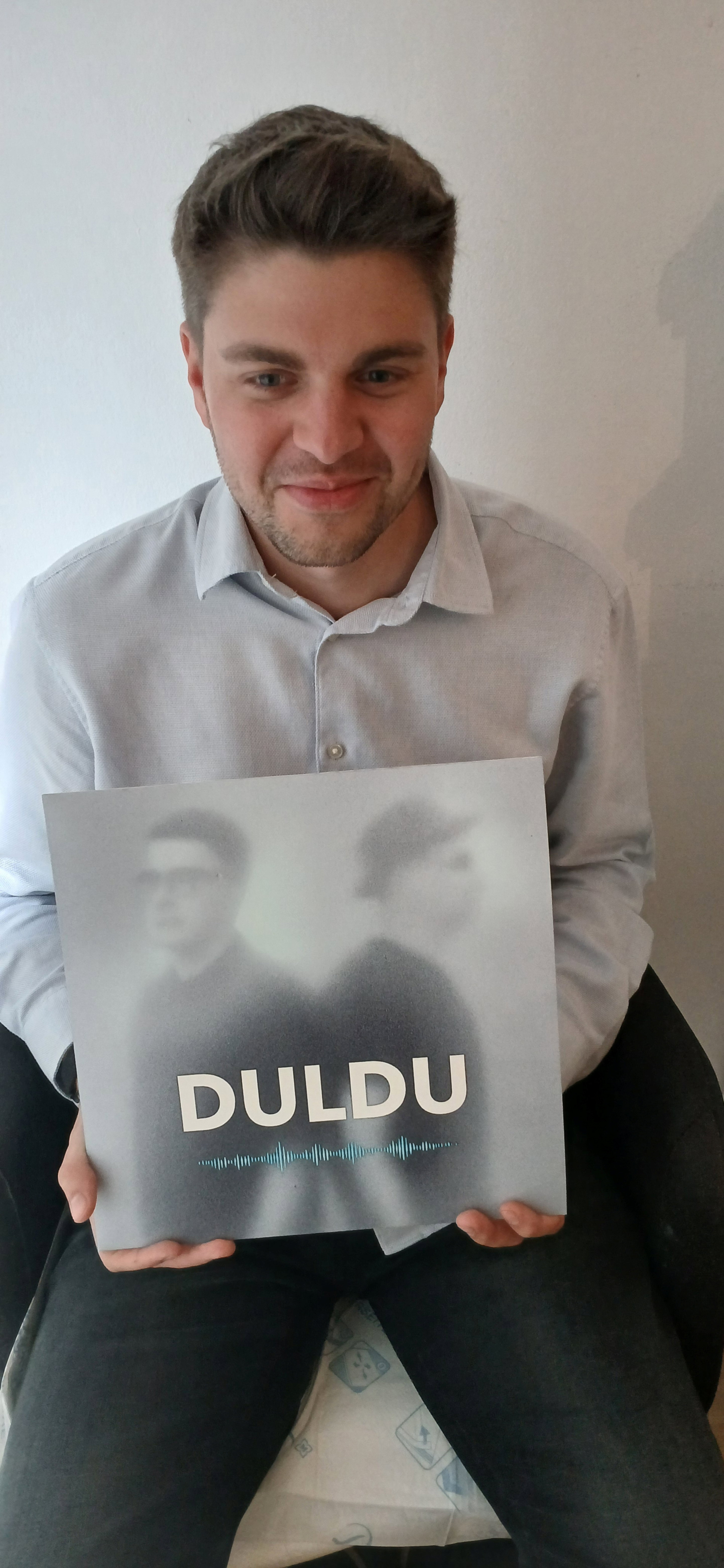
Smoke Screen was an important starting point because it established the instrumental character of DULDU. It allowed us to explore sound, atmosphere and composition without relying on lyrics or traditional song structures.The singles that followed gave us the opportunity to experiment further and explore different aspects of the project. With Underground, I think we moved towards a more defined and cohesive sound.The Best Of Collection vinyl release is also an important milestone. There is something special about presenting music on vinyl. It gives the material a physical presence and creates a different listening experience.I would not necessarily choose just one release as the definitive representation of DULDU. Each one documents a different stage in our development.
8. Instrumental music often communicates through atmosphere, texture and emotion rather than words. When producing DULDU, what usually comes first: a melody, a rhythm, a particular sound, or an emotional idea? How important is experimentation in your production process?
There is no fixed starting point. Sometimes everything begins with a rhythm, sometimes with a guitar sound or a particular atmosphere. Occasionally, it is simply an emotion or an image that suggests a musical direction.I believe experimentation is essential, especially when working with instrumental music. You need to allow sounds to develop and sometimes accept that an unexpected result can be more interesting than the original idea.Production is not just about making everything sound technically correct. It is also about creating space, tension and character. Sometimes a small imperfection or an unusual sound gives a composition its identity.
9. Independent music production today offers more creative freedom than ever, but it also presents challenges in terms of visibility, promotion and reaching audiences. What do you consider the biggest challenge for independent musicians and producers, and how do you approach it?
One of the biggest challenges is visibility. There is an enormous amount of music being released every day, and even very interesting projects can easily disappear in that constant flow of content.Technology has made music production more accessible, which is positive, but it has also increased the competition. Today, creating music is only one part of the process. Artists also have to think about communication, presentation and distribution.Personally, I believe in building something gradually and maintaining artistic independence. It is important to have a clear identity and not lose the original motivation simply because of external expectations.I would rather see a project develop organically and find its audience over time than compromise its identity in order to achieve short-term attention.
10. Looking ahead, what can listeners expect from DULDU? Are there new musical directions, collaborations or releases you would like to explore, and what would you ultimately like DULDU to represent?
I think there is still a lot of room for DULDU to develop. We have explored several directions, but I would not say that we have reached a final sound or definition of the project.I would like to continue experimenting with instrumental music, deeper blues influences, electronic production and cinematic soundscapes. There are always new ideas and possibilities to explore.Ultimately, I would like DULDU to represent creative freedom and music that creates its own atmosphere. Something that does not need to explain itself too much, but invites listeners to enter its world and discover their own interpretations.For me, that is one of the most interesting things about music
.Source: TOP 20 Radio emisija | Linktree /